%20(1)_edited_edited_edited_edit.png)
Same Work, Different Ways: The Evolution of How We Get Things Done
Updated: Apr 23

Change doesn’t always mean replacing what already exists. Sometimes, it simply means
finding a better way to do the same work. The idea of “Same Work, Different Ways” reflects how innovation reshapes everyday tasks without changing their core purpose. One of the most striking examples of this transformation can be seen in how technologies like drone technology and automation are redefining traditional methods across industries.
For decades, many essential tasks have depended on manual effort, experience, and time. Whether it is monitoring large areas, managing resources, or performing repetitive operations, the approach has remained largely unchanged. These methods have proven reliable, but they often come with limitations such as high physical effort, inconsistent results, and time constraints.
As technology advances, these same tasks are now being approached differently. Modern solutions are not focused on replacing human effort but on enhancing it. The goal is simple—achieve better results with greater efficiency, accuracy, and safety.
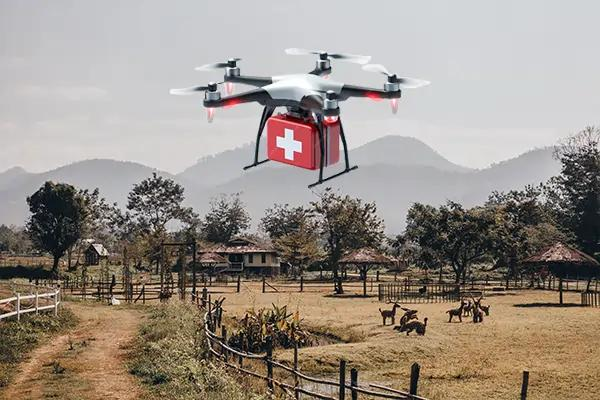
One of the most noticeable shifts in recent years is the adoption of aerial technology. Tasks that once required hours of manual work can now be completed in a fraction of the time using automated systems, including the growing use of drones for monitoring and operational efficiency. This change highlights how innovation doesn’t alter the objective—it transforms the process.
The contrast is clear when we compare traditional approaches with modern methods. Earlier, completing a task often required direct physical involvement. Today, the same work can be performed remotely with the help of intelligent systems. This not only reduces effort but also improves precision and consistency.
Another important aspect of this transformation is accuracy. Traditional methods often rely on human judgment, which can vary depending on conditions and experience. Modern technologies, on the other hand, use data-driven approaches to deliver more reliable outcomes. This shift allows for better planning, improved efficiency, and reduced waste.
Safety is also a key factor in this evolution. Many conventional processes involve exposure to challenging environments or potential risks. With advanced tools and automation, these risks can be minimized. People can now focus more on decision-making rather than physically demanding or hazardous tasks.
Beyond efficiency and safety, the role of data has become increasingly important. Modern systems are capable of collecting and analyzing information in real time. This enables smarter decisions and a deeper understanding of processes. Instead of reacting to problems after they occur, it is now possible to anticipate and prevent them.
What makes this shift truly impactful is its accessibility. Technology is no longer limited to large-scale operations or specialized industries. It is gradually becoming more adaptable and user-friendly, allowing a wider range of people to benefit from it. This democratization of technology ensures that innovation reaches those who need it the most.
Despite these advancements, the essence of the work remains unchanged. The goals are still the same—efficiency, productivity, and better outcomes. What has evolved is the way these goals are achieved. This is the true meaning behind “Same Work, Different Ways.”
Looking ahead, this transformation is only expected to grow. As new technologies continue to emerge, the gap between traditional and modern methods will become even more evident. However, this should not be seen as a replacement of the old, but rather as an improvement upon it.
Adapting to new ways of working is not just about keeping up with trends. It is about recognizing opportunities to do things better. Those who embrace this change are more likely to stay ahead, while those who resist it may find themselves limited by outdated methods.
In the end, progress is not defined by what we do, but by how we do it. The work remains the same, but the approach continues to evolve. And in that evolution lies the future.


Comments