%20(1)_edited_edited_edited_edit.png)
Drone Technology Applications Beyond Surveillance
Drone technology has rapidly evolved from being a surveillance tool to becoming a powerful solution across multiple industries. Today, drones are transforming operations, improving efficiency, and unlocking new possibilities for businesses worldwide. Their versatility and ability to operate in challenging environments make them a valuable asset in modern industries.
One of the most impactful applications of drones is in agriculture. Farmers are using drones for crop monitoring, soil analysis, and precision spraying. With the help of aerial imaging and data analytics, drones provide real-time insights that help improve crop yield and reduce resource wastage. This advancement supports sustainable farming practices and enhances overall productivity.
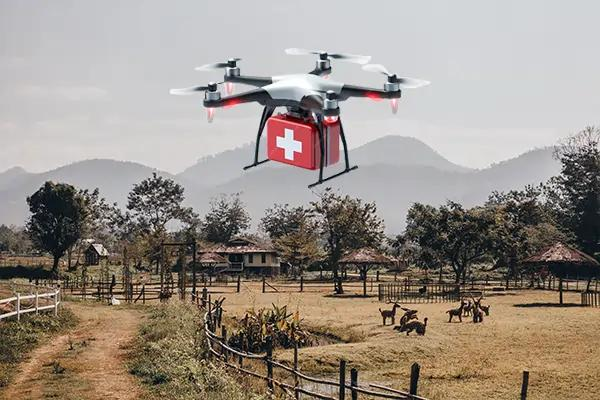
In the logistics and delivery sector, drones are redefining last-mile delivery. Companies are experimenting with drone delivery systems to transport goods faster and more efficiently. This not only reduces delivery time but also minimizes transportation costs, especially in remote or hard-to-reach areas.
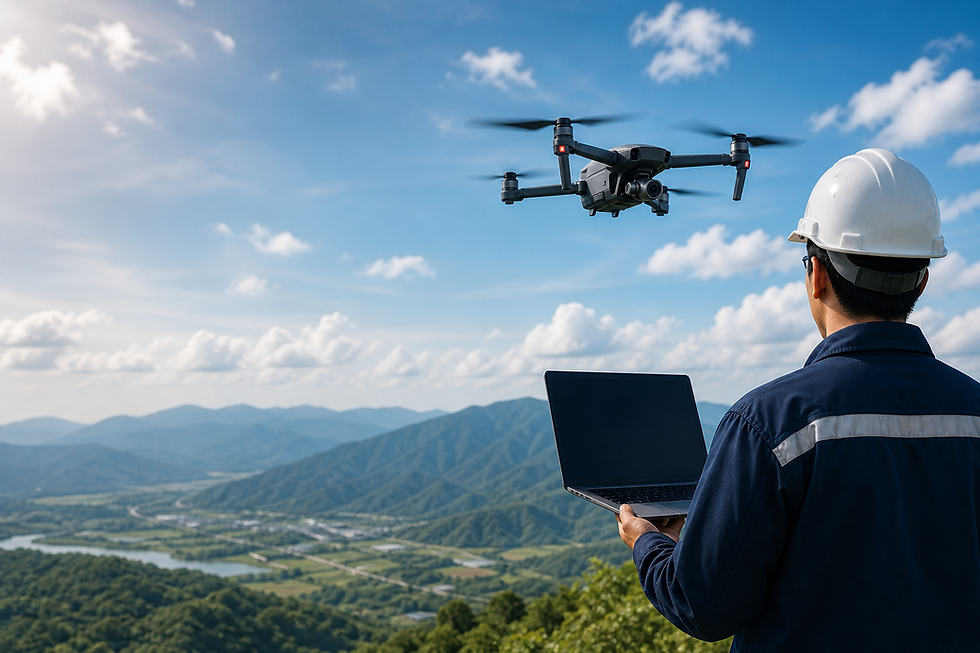
Another important application is in infrastructure inspection. Drones are widely used to inspect bridges, power lines, pipelines, and construction sites. Drones equipped with advanced imaging systems and sensing technologies can identify defects and potential hazards efficiently, reducing the need for human exposure to risky environments. This has significantly improved safety and reduced operational downtime.
The use of drones in disaster management has also gained attention. During natural disasters, drones assist in search and rescue operations by providing real-time visuals of affected areas. They help authorities assess damage, locate survivors, and plan rescue missions more effectively.
In healthcare, drones are increasingly used to transport essential items like vaccines, diagnostic samples, and critical medicines quickly and efficiently, especially in hard-to-reach areas. This is particularly beneficial in rural or inaccessible regions where traditional transportation is limited. Drone-based healthcare delivery has the potential to save lives by ensuring timely access to critical resources.
The media and entertainment industry has also embraced drone technology. Drones are now widely used for aerial photography and videography, offering unique perspectives and high-quality visuals. This has revolutionized content creation in films, advertisements, and events.
Despite these advancements, challenges such as regulatory restrictions, battery limitations, and airspace management still exist. However, continuous innovation and supportive government policies are expected to address these issues.
In conclusion, drone technology is no longer limited to surveillance. Its applications across agriculture, logistics, healthcare, and infrastructure demonstrate its transformative potential. With continuous advancements in technology, drones are set to become an even more impactful force in transforing and advancing various industries.

Comments