%20(1)_edited_edited_edited_edit.png)
Emerging Trends in Industrial Robotics and UAV Systems

The rapid advancement of technology has led to significant growth in industrial robotics and unmanned aerial vehicle (UAV) systems. These innovations are reshaping industries by enhancing efficiency, accuracy, and productivity. As businesses strive to stay competitive, the adoption of robotics and UAV systems is becoming increasingly essential.
One of the key trends in industrial robotics is the rise of collaborative robots, also known as cobots. Unlike traditional robots, cobots are designed to work alongside humans, improving safety and efficiency. They are widely used in manufacturing processes such as assembly, packaging, and quality control.
Another important trend is the integration of artificial intelligence (AI) and machine learning in robotics. AI-powered robots can analyze data, learn from patterns, and make intelligent decisions. This has enabled automation to move beyond repetitive tasks to more complex and adaptive operations.
The concept of smart factories is also gaining momentum. With the integration of robotics, IoT, and data analytics, factories are becoming more connected and efficient. These smart systems allow real-time monitoring, predictive maintenance, and improved production planning.
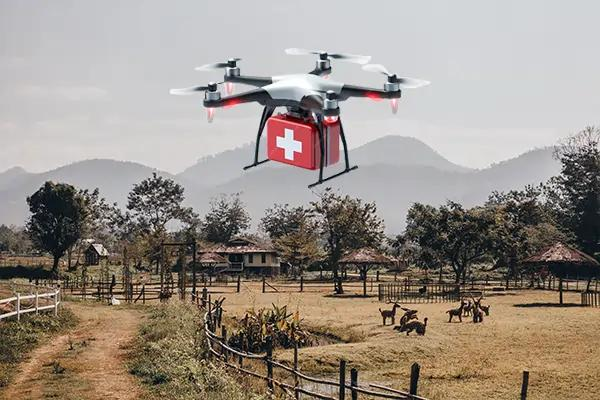
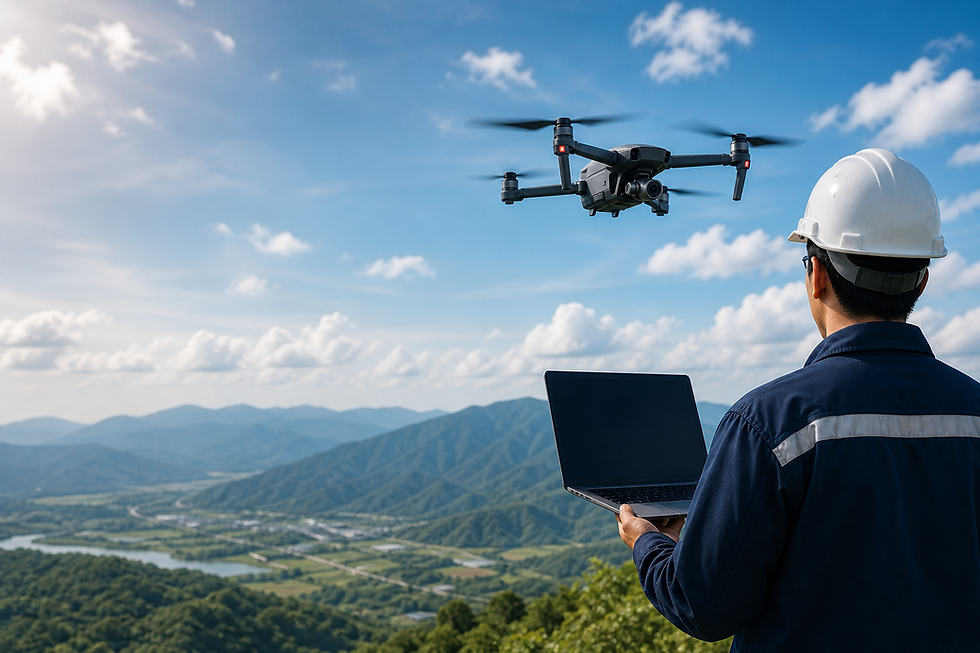
In the field of UAV systems, advancements in autonomous navigation are transforming how drones operate. Modern UAVs can navigate without human intervention using GPS, sensors, and AI algorithms. This has expanded their applications in industries such as logistics, agriculture, and surveillance.
Another emerging trend is the development of swarm technology, where multiple drones work together to complete tasks. This approach is particularly useful in large-scale operations such as mapping, surveillance, and disaster response.
The use of digital twins is also becoming popular in robotics and UAV systems. Digital twins create virtual models of physical systems, allowing companies to simulate and optimize operations before implementation. This reduces risks and improves efficiency.
In addition, there is a growing focus on energy efficiency and sustainable solutions. Companies are developing robots and UAVs with improved battery life and lower energy consumption to reduce environmental impact.
However, factors like significant investment requirements, data security concerns, and the shortage of skilled professionals continue to pose notable challenges. However, ongoing innovation and investment in research and development are expected to overcome these barriers.
In conclusion, industrial robotics and UAV systems are evolving rapidly, driven by AI, automation, and smart technologies. These trends are not only improving operational efficiency but also paving the way for a more connected and intelligent industrial future.

Comments